


Introduction
Fire safety inspections are a critical part of building compliance in Dubai, ensuring that all fire protection systems are fully operational and aligned with UAE Civil Defense regulations. These inspections are not just routine checks, they are essential for protecting lives, property, and business continuity.
In a city known for its high-rise buildings, commercial hubs, and complex infrastructure, fire risks must be managed proactively. Authorities conduct fire inspections to verify that safety systems such as alarms, sprinklers, and fire fighting equipment are properly installed, maintained, and ready to perform during emergencies.
Understanding what happens during a fire inspection helps building owners, facility managers, and businesses prepare effectively, avoid penalties, and maintain compliance. This guide by Sadaf al Bahar explains the inspection process, requirements, and how a fire safety AMC plays a crucial role in passing inspections successfully.
Why Fire Inspections Are Mandatory in Dubai
Fire inspections are enforced by UAE Civil Defense authorities to ensure that all buildings meet strict safety standards.
These inspections are designed to:
- Identify potential fire hazards
- Verify system functionality
- Ensure compliance with legal requirements
- Reduce risks to occupants and property
Failure to comply can lead to fines, penalties, or even temporary closure of the facility, making inspections a critical responsibility for all building owners.
When Do Fire Inspections Take Place?
Fire inspections in Dubai are conducted at different stages of a building’s lifecycle.
Common Inspection Types:
- Pre-approval inspection before building occupancy
- Routine periodic inspections
- Renewal inspections for compliance certificates
- Surprise inspections by authorities
Each inspection ensures that the building remains compliant at all times, not just during initial approval.
What Happens During a Fire Inspection? (Step-by-Step Process)
A fire inspection follows a structured process where inspectors evaluate all safety systems, equipment, and procedures within the building.
- Documentation Review and Compliance Check
The inspection begins with reviewing all relevant documents related to fire safety systems.
Inspectors Check:
- Fire safety AMC records
- Maintenance logs and service reports
- System installation certificates
- Approval documents from Civil Defense
Proper documentation proves that systems are regularly maintained and compliant with regulations.
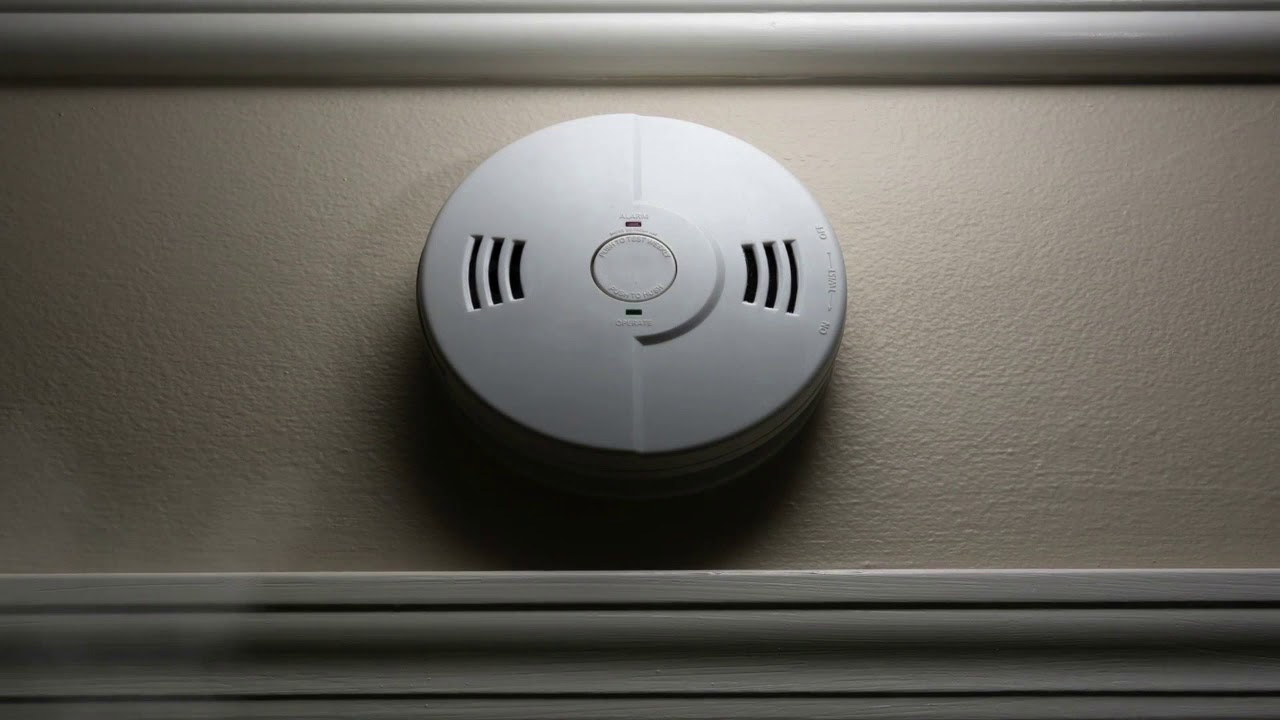
- Fire Alarm System Inspection
Fire alarm systems are tested to ensure they detect fire hazards and alert occupants effectively.
Key Checks:
- Functionality of smoke and heat detectors
- Alarm sound levels and audibility
- Manual call points accessibility
- Control panel status and fault indicators
A faulty alarm system is one of the most common reasons for inspection failure.
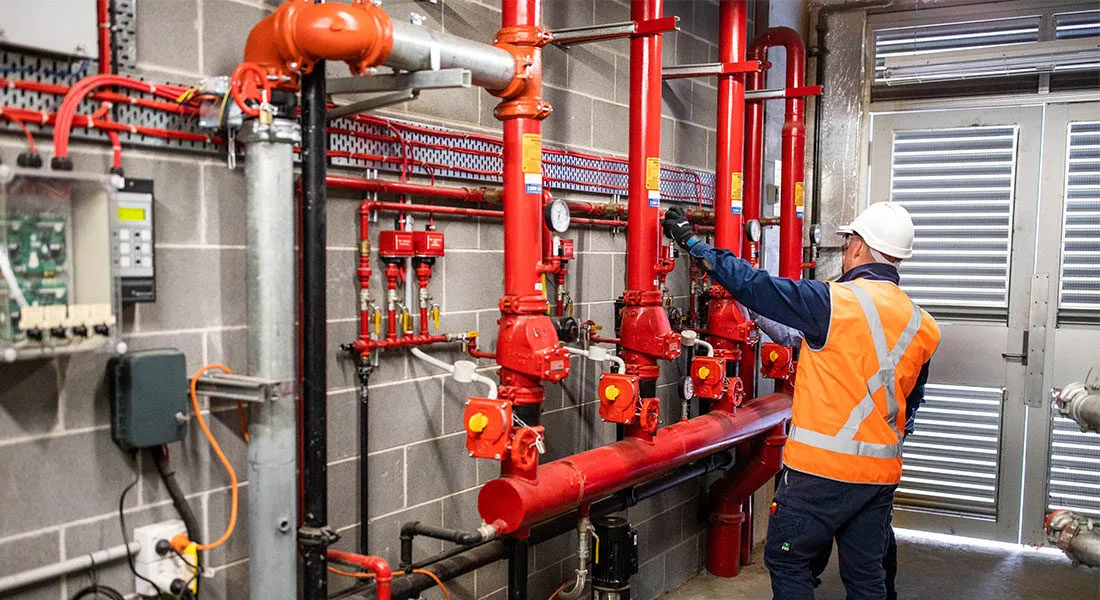
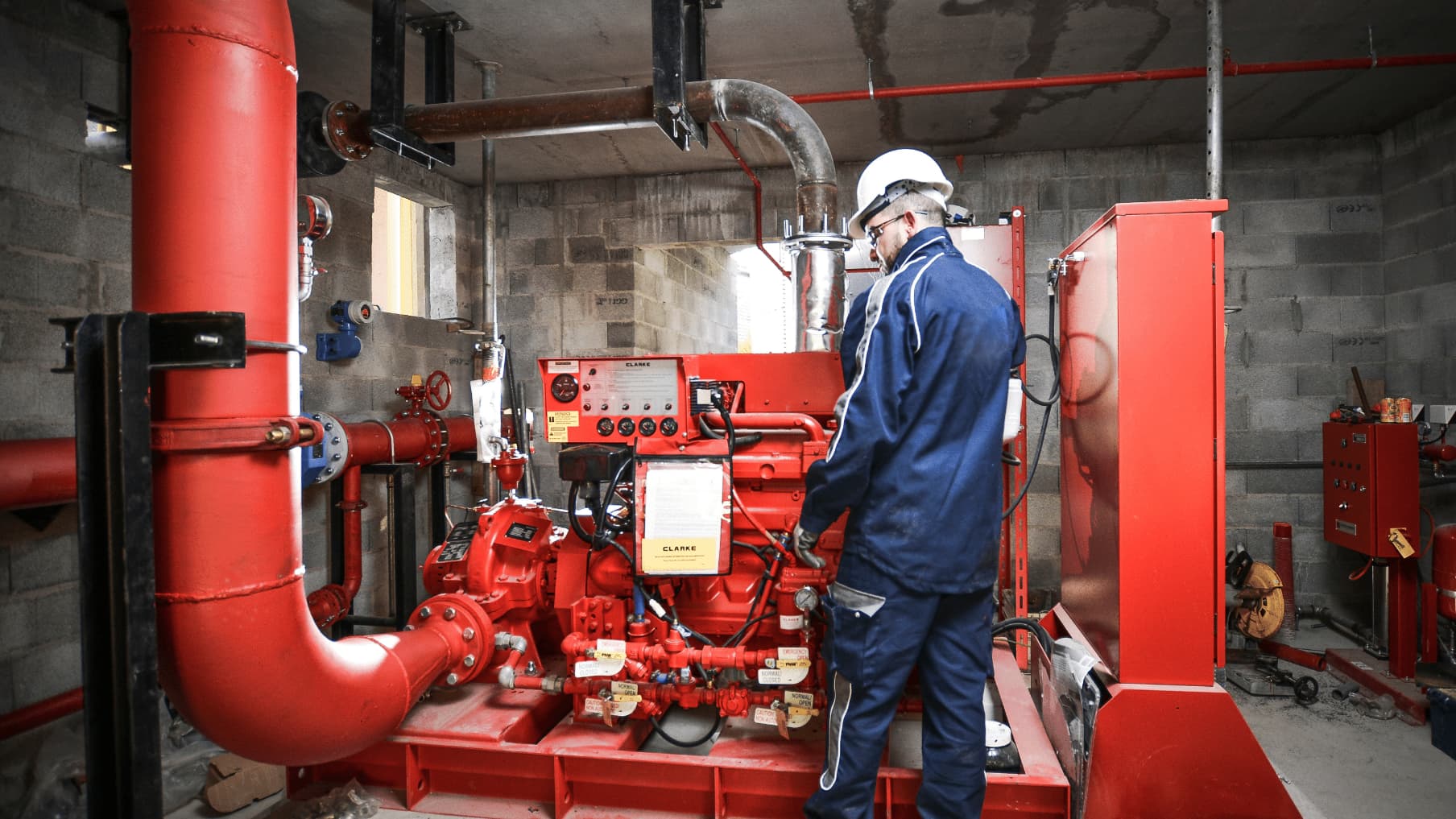
- Fire Fighting System Inspection
Inspectors evaluate all fire fighting systems to ensure they can respond effectively during emergencies.
Systems Checked:
- Fire pumps and water pressure levels
- Sprinkler systems and activation mechanisms
- Fire hydrants and hose reels
- Fire extinguishers placement and condition
Any malfunction or lack of maintenance can result in non-compliance.
- Emergency Exit and Evacuation Check
Safe evacuation is a critical aspect of fire safety compliance.
Inspectors Verify:
- Clear and accessible emergency exits
- Proper emergency lighting
- Visible exit signage
- Unobstructed escape routes
Blocked exits or poor signage are serious violations.
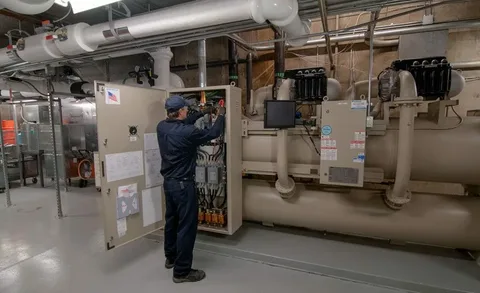
- Electrical and Hazard Risk Inspection
Electrical systems are examined to identify fire risks caused by faulty installations or overload.
Key Areas:
- Electrical panels and wiring condition
- Overloaded circuits
- Proper insulation
- Equipment safety
Electrical faults are a major cause of fire incidents, making this step essential.
- Fire Safety Equipment Inspection
All supporting fire safety equipment is checked for readiness and compliance.
Includes:
- Fire extinguishers (validity and pressure)
- Fire blankets
- Safety signage
- Protective equipment
Equipment must be properly installed, labeled, and maintained.
- Staff Readiness and Emergency Preparedness
Inspectors may also evaluate how prepared the building staff is for emergencies.
Checks Include:
- Fire drill records
- Staff training documentation
- Emergency response plans
- Evacuation procedures
A well-trained team ensures better response during real emergencies.
Common Reasons Buildings Fail Fire Inspections
Even well-equipped buildings can fail inspections due to overlooked issues.
Common Failures:
- Expired or poorly maintained fire extinguishers
- Faulty fire alarm systems
- Lack of fire safety AMC
- Blocked emergency exits
- Missing maintenance records
These issues are preventable with proper planning and regular maintenance.
Penalties for Non-Compliance in Dubai
Fire safety violations are taken seriously in Dubai and can result in strict penalties.
Possible Consequences:
- Fines and financial penalties
- Suspension of business operations
- Delayed approvals or renewals
- Legal liabilities in case of incidents
Non-compliance not only risks safety but also impacts business continuity and reputation.
Role of Fire Safety AMC in Passing Inspections
A fire safety AMC (Annual Maintenance Contract) is essential for maintaining compliance and ensuring system readiness.
It ensures that:
- All systems are regularly inspected and serviced
- Maintenance records are properly documented
- Faults are identified and resolved early
- Systems remain compliant with UAE regulations
A valid AMC significantly increases the chances of passing fire inspections without issues.
Fire Inspection Preparation Checklist
To ensure a smooth inspection process, follow this checklist:
Quick Checklist:
- ✔Verify fire safety AMC is active
- ✔Ensure all systems are functional
- ✔Check fire extinguishers and alarms
- ✔Clear all emergency exits
- ✔Update maintenance records
- ✔Train staff on emergency procedures
Preparation reduces risks and ensures compliance during inspections.
How to Ensure Continuous Compliance
Fire safety compliance is not a one-time task, it requires ongoing attention and management.
Best Practices:
- Schedule regular inspections and servicing
- Maintain detailed documentation
- Conduct routine fire drills
- Upgrade outdated systems
- Work with certified fire safety professionals
Continuous compliance ensures safety and avoids last-minute issues during inspections.
Why Choose Professional Fire Safety Services
Working with experts like Sadaf al Bahar ensures your building is always inspection-ready.
Benefits:
- Certified fire safety AMC services
- Accurate system inspection and reporting
- Compliance with UAE Civil Defense standards
- Quick troubleshooting and maintenance
- Reduced risk of penalties
Professional services provide peace of mind and long-term safety assurance.
Conclusion
Fire inspections in Dubai are a critical part of ensuring building safety, compliance, and operational readiness. From system checks to documentation and staff preparedness, every aspect of fire safety is carefully evaluated during inspections.
Understanding the inspection process helps building owners and managers prepare effectively, avoid penalties, and maintain compliance with UAE regulations. Regular fire safety AMC, proper maintenance, and professional support are key to passing inspections successfully.
By taking a proactive approach to fire safety, you not only meet legal requirements but also protect lives, assets, and business continuity.
FAQs
- What is a fire inspection in Dubai?
A fire inspection is an official check to ensure building fire safety systems comply with UAE Civil Defense regulations. - How often are fire inspections conducted?
They can be periodic, annual, or surprise inspections depending on building type and compliance requirements. - What documents are required during inspection?
Fire safety AMC records, maintenance logs, and system approval certificates. - What happens if a building fails inspection?
It may face fines, penalties, or operational restrictions until issues are resolved. - Are fire safety AMCs mandatory?
Yes, they are essential for maintaining compliance and passing inspections. - What systems are checked during inspection?
Fire alarms, sprinklers, pumps, extinguishers, and evacuation systems. - How can I prepare for a fire inspection?
Ensure systems are functional, exits are clear, and documentation is updated. - Who conducts fire inspections in Dubai?
UAE Civil Defense authorities. - What are common inspection failures?
Faulty alarms, expired equipment, blocked exits, and lack of maintenance. - Why is fire inspection important?
It ensures safety, compliance, and readiness during emergencies.
